
Now what?…furniture
The Most Important Element
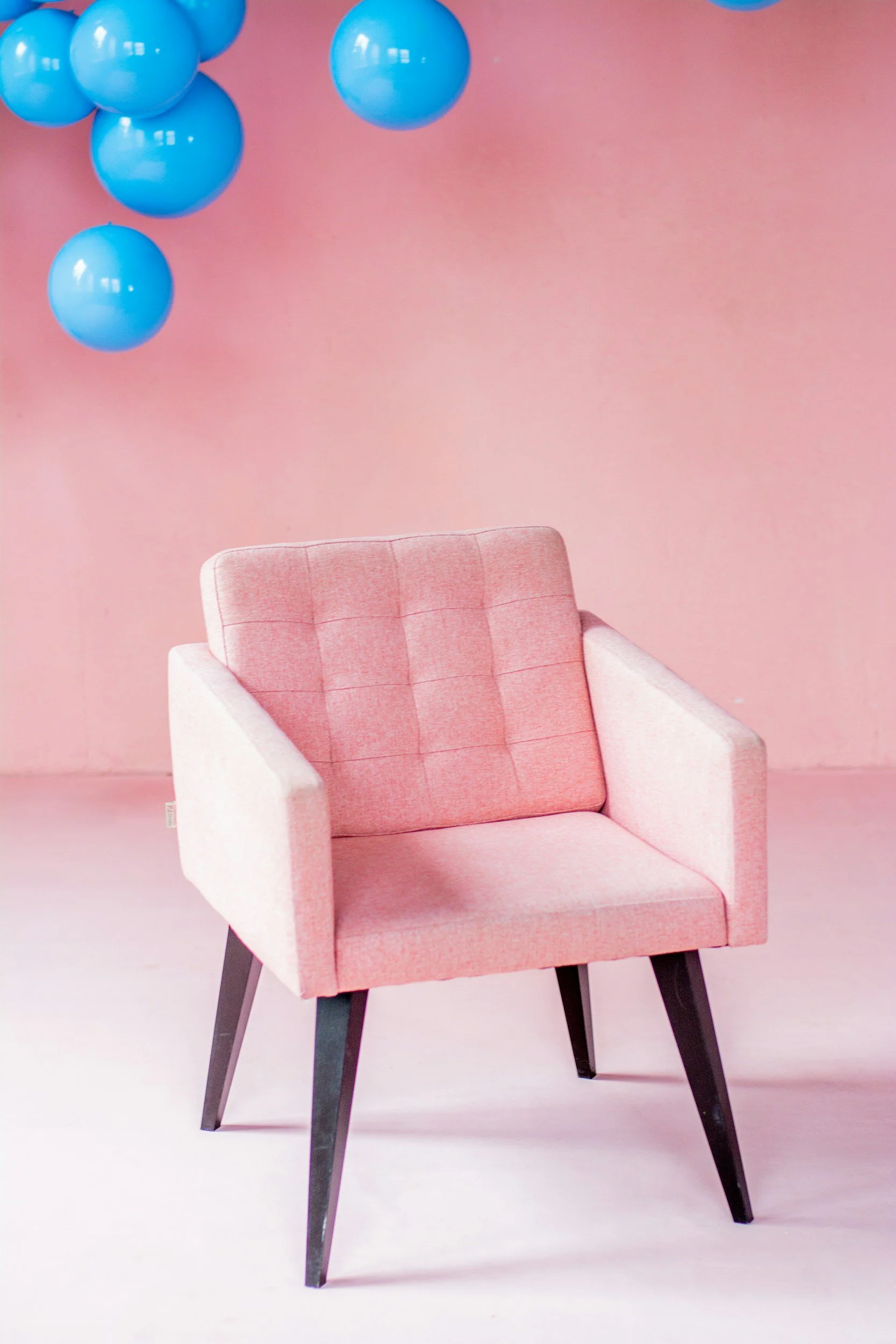
As an Interior Designer, I have placed a lot of furniture in many homes over the years. It doesn’t matter which room needs an upgrade; furniture is always the most important element.
Accessories are an addition to everything; so when purchasing items for your home, furnish it first and then add the rugs, knick knacks, pictures, mirrors, etc., afterward.
You need to know what you're working with first on the larger items and then the smaller pieces you can add later. Those are the eye-candy that you see enhancing the rooms features. Rugs, lamps, pictures, florals are all great accessories.
Finding the right piece
Furniture shopping can be exhausting, especially if you don’t know what you are looking for. If you really want a Designer look, then you are going to have to do some research on styles, colors, shapes and sizes. Purchasing anything you see, without a plan in place will cause frustration and you might wind up with nothing short of a hodge-podge look with items that don’t match or go together properly and now you are even more disappointed. Definitely something you want to avoid.
I usually start with a Theme of the whole house and then break it down into each room; what is currently there, what can be re-purposed and what needs to go. Just because you have Grandma’s vintage armoire, doesn’t mean you have to throw it out, especially if you love it. Existing items can always be used around a new upcoming look, as long as it’s placed correctly.
Having a plan is No. 1
I have a post on Form and Function that explains why you need a plan in place. It’s like throwing spaghetti on the wall hoping it will stick. It doesn’t work like that in Interior Design and I’ve seen many clients take this attitude and wind up with a total mess and an empty wallet.
Hire a designer (someone that understands your vision and has an Interior Design degree-not someone that woke up on a Monday morning and said, “I think I’ll be a designer”).
Do your research. This will save you a lot of time and money.
Ask as many questions as you can and get a plan in place before you start….you won’t regret it.
Having another set of eyes and a difference of opinion can really help to broaden ideas and creativity.
Balance and symmetry
When placing furniture in any room, make sure it’s the right size for the space, it doesn’t impede on the natural flow of the room and double check that it’s the correct color to keep the flow consistent. Whether you enjoy bold colors or pastels, larger items, like sofas and sectionals should be in pleasing colors that complement and enhance the room.
If you love bold reds and purples, I wouldn’t suggest using them for a large statement piece, otherwise it could dominate the space and you see nothing else. Also, putting too much furniture in any room can look cluttered and messy. Flow and consistency are what you need to focus on and proper Interior Design involves balance, space planning and symmetry, otherwise your senses will be out of sorts, and you might feel uneasy about a particular room and not know why.
Kids and all the above
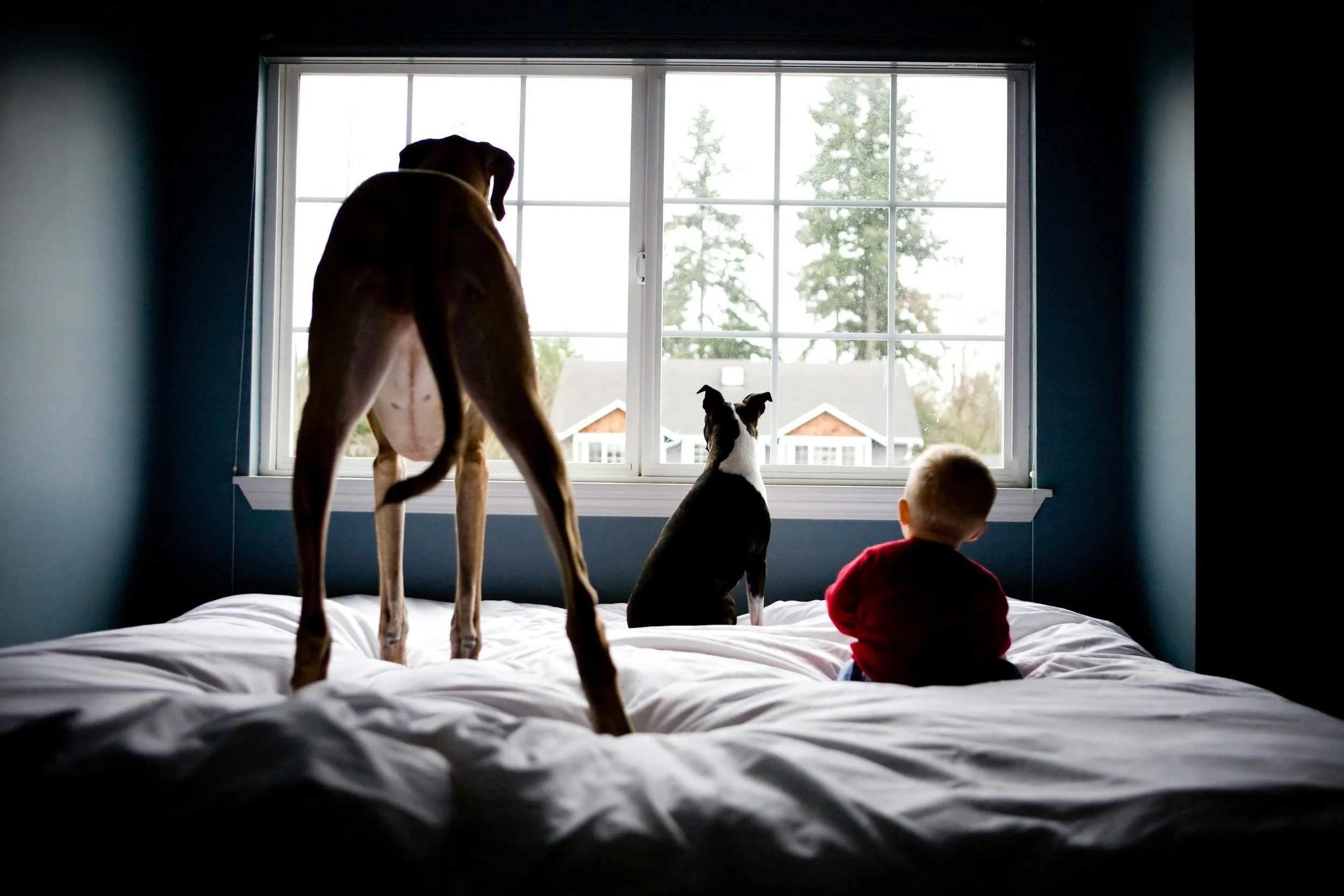
Many people have pets and just like our kids, with all the toys everywhere that constantly need to be picked up, we don’t decorate to please the dog.
You can purchase items that are aesthetically pleasing and functional, so that your pets can still have their “space”, but not dominate it. When you walk into someone’s house, you don’t want to be hit with pet smells and pet toys. Rule of thumb is to never allow visitors to know you have a pet, because you have cleverly eliminated all pet odors, along with all the clutter.
I’ve seen clients spend a fortune on a beautiful, custom, leather sectional and then cover it up with blankets so the dogs won’t scratch it or get hair everywhere.
What is the point? Your home is for you and should reflect your personality and style, not the cats or the dogs.
We love our animals, but please don’t allow them to take over your house.
Go Slowly…it isn’t a race
I would suggest while starting out with your new design project, try to incorporate furniture items slowly and see how they fit into every space, walk around everything and decide if you want to add more or leave it the way it is. Rome wasn’t built in a day, so don’t think you have to rush out and purchase an entire house worth of furniture all at once. Take your time, notice how you feel about each item and then go from there.
Organize everything making sure the colors and hues match correctly and whether or not items are too big or too small, especially with extremely high ceilings in some rooms.
In addition to, don’t make the mistake of selecting pieces that are too short or not big enough to fill up those spaces. Also, if you have large windows and a lot of wall space, you will want to add more into those areas, otherwise it might look too bare. In Design we call that a “dead space” ; it’s boring and blank and needs something to enhance it.
Accessories bring in the color
Once you have all of the furniture pieces in place, then accessories are the next best thing. These are the “pops” of color that really make a room stand out. Paintings, rugs, mirrors, pillows, vases, plants, etc., really help to bring in the warmth and life to the room. They can be fun and whimsical, elegant and chic or if you prefer a Rustic charm that’s a great look too. Just as long as they all balance out the rooms.
I have many beautiful decor pieces you can purchase that would enhance any home. Just click on the SHOP button at the bottom of the page and take a peek.
You will definitely find something you love. Make it fun and creative putting your unique stamp on it, whether you are an artist and want to display your artwork or a minimalist who doesn’t want any clutter at all. Do what makes you happy, it’s your home and you want to do it right the first time instead of spending years starting over again and again.